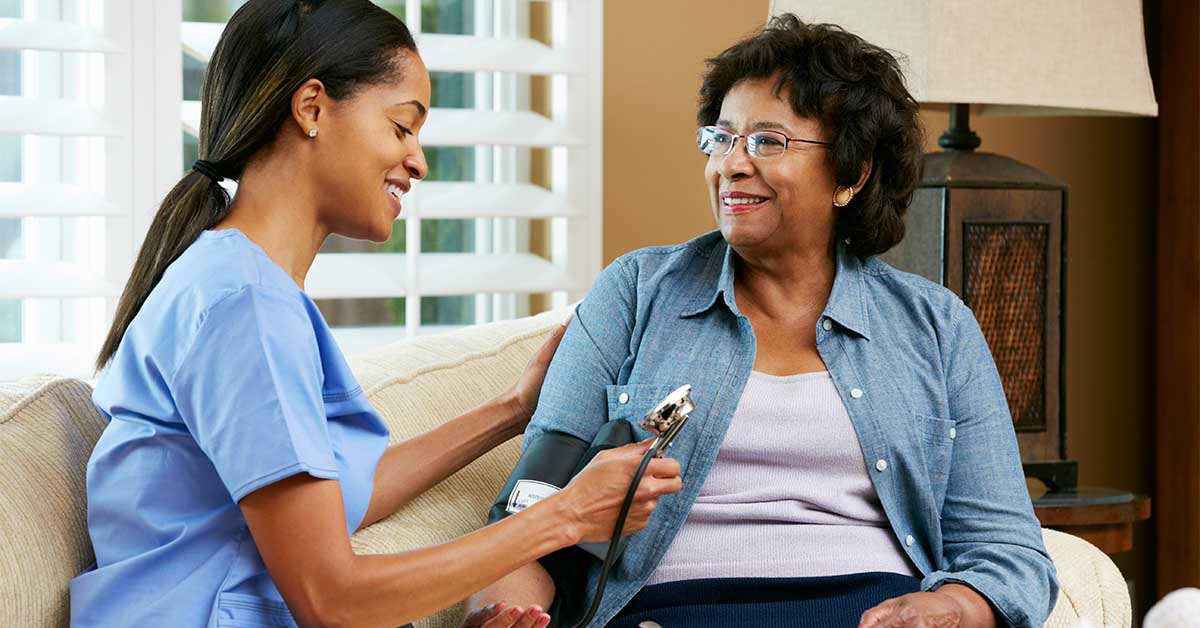

















The healthcare system in France is renowned globally for its efficiency and comprehensive coverage. However, as the demographic profile of the country shifts toward an aging population, the focus on home care France has intensified. Many families now face the challenge of transitioning their loved ones from independent living to a supported environment without moving them into a clinical facility. This desire to remain at home is supported by various government initiatives and private home care providers who offer a range of services designed to ensure safety, health, and social connectivity. Understanding the pathways to these services is the first step in providing the best possible life for seniors.
Eligibility and Assessment Processes
The journey toward accessing senior support for FR typically begins with a formal assessment of needs. In France, this is often coordinated through local centers known as Centre Local d Information et de Coordination or CLIC. These centers serve as a one stop shop for information regarding the rights of seniors and the resources available to their families. A professional evaluation is conducted to determine the level of autonomy an individual possesses, which is then categorized using the GIR scale. This scale is crucial because it determines the amount of financial assistance a family can receive through the Allocation Personnalisee d Autonomie or APA.
Finding Professional Care Agencies
Once the level of need is established, the next step is often searching for senior care agencies near me. France has a robust market of both public and private providers. Private home care providers often offer more flexibility in terms of scheduling and specialized care types. When selecting an agency, families frequently rely on best home care agencies' reviews to gauge the quality of service and the compassion of the staff. It is important to look for agencies that are authorized by the departmental council, as this ensures they meet the strict quality standards required by French law.
Technological Integration in Home Care
As we look toward the future, the integration of technology is becoming a standard feature of care experience. Telehealth platforms 2026 are expected to be at the forefront of this digital shift, providing instant access to specialists without the need for stressful travel. Furthermore, remote patient monitoring services allow for continuous observation of vital signs, which can alert medical professionals to potential issues before they become emergencies. This proactive approach is a significant component of modern home care services and provides families with peace of mind.
Service Comparison and Financial Planning
Navigating the costs of care is a major concern for most families. While some services are covered by national health insurance, others require private funding or the use of government grants. Below is a comparison of common care components available in the French market.
Care Component Comparison in France
|
Service Category |
Primary Focus |
Typical Delivery Mode |
Tech Integration |
|
Nursing Care |
Medical and clinical tasks |
Registered nurses |
Remote monitoring |
|
Personal Care |
Daily living activities |
Care assistants |
Mobile apps |
|
Telehealth |
Remote consultations |
Digital platforms |
High tech video |
|
Respite Care |
Caregiver relief |
Temporary staff |
Booking portals |
|
Domestic Help |
Cleaning and cooking |
Service staff |
Basic scheduling |
|
Social Support |
Companion ship |
Volunteer or paid |
Social media tools |
The Role of Caregiver Support
Providing long term care can be an exhausting experience for family members. FindCarez recognizes that caregiver burnout solutions are just as important as the care provided to the senior. In France, there are specific resources designed to give family members a break, such as temporary residential stays for the senior or in home respite care. Accessing caregiver resources France is essential for maintaining the mental and physical health of the primary caregiver. When the caregiver is supported, the quality of care provided to the senior naturally improves.
Strategic Healthcare Marketing and Access
From a provider perspective, ensuring that families can find these vital services is a matter of strategic communication. Healthcare SEO strategies are used by top agencies to ensure they appear in search results when families are in crisis. This is part of a broader effort for patient acquisition online, where the goal is to match a family in need with a provider who can solve their specific problems. By maintaining a strong online presence and providing transparent information, agencies help reduce friction in the care seeking process.
Affordable Solutions and Tax Incentives
One of the unique aspects of the French system is the availability of tax credits for home care services. Even when using private home care providers, families can often deduct a significant portion of the costs from their annual income tax. This makes affordable nursing care at home a reality for many who might otherwise struggle to pay for professional help. It is always advisable to consult with a financial advisor or the local tax office to understand the specific deductions available for in home care France.
Preparing for the Future of Care
The landscape of care is constantly evolving. With the rise of telehealth platforms 2026 and the increasing sophistication of remote patient monitoring services, the home is becoming a high tech hub for health. Families should stay informed by utilizing family caregiving resources and keeping an eye on the latest reviews. By staying proactive and leveraging both government support and private innovation, French families can ensure that their seniors live their final years with the dignity and comfort they deserve. FindCarez remains committed to being the leading guide in this essential journey.

Community Integration and Well being
Beyond the medical and physical aspects, home care France also emphasizes the importance of social wellbeing. Many senior support FR programs include social outings and community engagement activities. This holistic approach ensures that seniors do not become isolated, which is a common risk when physical mobility decreases. By integrating social support with professional medical care, families can create a comprehensive environment that fosters both physical health and emotional happiness.
Final Steps in the Care Journey
As families move forward, the final steps involve setting up a routine that works for everyone. This includes regular check ins with private home care providers and adjusting the care plan as needed to change. The flexibility of the French system allows for these adjustments to be made relatively smoothly. Whether it is increasing the hours of help or incorporating new remote patient monitoring services, the focus always remains on the wellbeing of the individual. Through the right combination of resources, technology, and human compassion, navigating home care in France becomes a manageable and rewarding experience.
For a comprehensive guide on vetting private home care providers, visit FindCarez: https://findcarez.com/
Home Care Services in France – FAQs
1. What home care services are available for elderly people in France?
France offers a wide range of aide à domicile services, including personal care, meal preparation, housekeeping, mobility assistance, nursing care, and specialized support for seniors with chronic conditions.
2. How can French families apply for home care services?
Families can apply through their local town hall (mairie) or departmental council (Conseil Départemental). A social worker evaluates the senior’s needs and determines eligibility for financial assistance or care programs.
3. What is APA (Allocation Personnalisée d’Autonomie)?
APA is a government allowance that helps seniors aged 60+ with loss of autonomy pay for home care services. It covers part of the cost of personal care, mobility support, and daily living assistance.
4. Are home care services in France covered by the government?
Yes. Many services are subsidized through APA, PCH (Prestation de Compensation du Handicap), and health insurance (Assurance Maladie) for medical home care such as nursing visits.
5. What is the difference between aide à domicile and soins infirmiers à domicile?
-
Aide à domicile provides daily living support like cleaning, cooking, and personal care.
-
Soins infirmiers à domicile (SSIAD) provides medical care such as wound treatment, injections, and rehabilitation, delivered by licensed nurses.
6. How do families choose a home care provider in France?
Families can select from public, private, or non‑profit home care agencies, ensuring the provider is certified (agréé or autorisé) and offers services that match the senior’s needs.
7. Are caregivers (aides à domicile) trained in France?
Yes. Most caregivers receive professional training in elderly care, hygiene, mobility assistance, and dementia support, especially those working for certified agencies.
8. What support is available for family caregivers in France?
France offers respite care, caregiver allowances, psychological support, and training programs through local social services and caregiver associations.
9. Can seniors with dementia receive home care services in France?
Yes. Specialized dementia home care, memory support programs, and Alzheimer’s day centers are available through public and private providers.
10. Can foreign residents in France access home care services?
Legal residents can access home care services and may qualify for financial assistance depending on age, health condition, and residency status.
 Perplexity
 Claude
 Grok
Grok