
















Japan is currently facing a demographic challenge that is often described as a super aging society. With one of the highest life expectancies in the world and a birth rate that continues to decline, the nation has reached a point where the demand for caregiving Japan is at an all time high. This shift is not just a statistical phenomenon but a daily reality for millions of Japanese families who are struggling to balance their professional lives with the needs of their elderly relatives. As the population continues to gray, the infrastructure for senior care Japan is undergoing a radical transformation, moving from traditional hospital based models to more integrated home care JP solutions.
The Scale of the Aging Population Japan
The numbers regarding the aging population Japan are staggering. Nearly thirty percent of the total population is now aged sixty five or older, and this figure is projected to rise significantly in the coming decades. This longevity is a testament to Japan's excellent diet, lifestyle, and public health systems, but it also creates a massive burden on the national long term care insurance system. The phenomenon of the eighty fifty problems, where parents in their eighties are being cared for by children in their fifties, is becoming a common social theme. This demographic pressure has made understanding elder care trends Japan essential for anyone involved in the healthcare or social services sectors.
The Evolution and Growth of Home Care JP
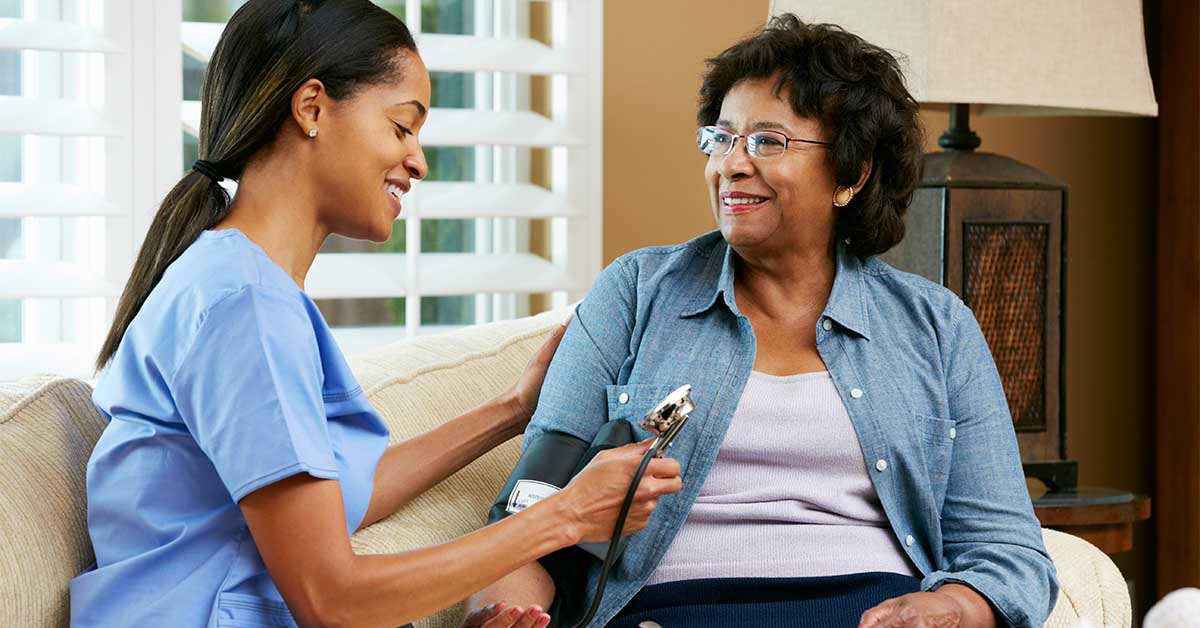
Culturally, there is a deep rooted sense of duty in Japan to care for one's parents at home. However, as family sizes shrink and more people live alone in urban centers like Tokyo and Osaka, the traditional model of family care is breaking down. This has led to a surge in the requirement for professional home care JP services. These services are designed to allow seniors to maintain their dignity and independence in a familiar environment. From assistance with bathing and meals to specialized medical support, home care is the cornerstone of the Japanese strategy to manage the aging crisis. Consequently, families are increasingly searching for senior care agencies near me to find reliable partners on this journey.
The Vital Role of Private Home Care Providers
While the Japanese government provides a robust social safety net, the public system is often stretched thin. This has created a significant opportunity for private home care providers to offer supplementary services that cater to specific family needs. These private agencies often provide more flexible scheduling and a wider range of activities than public services. For many families, finding affordable nursing care at home that combines medical expertise with compassionate companionship is the goal. These providers are not just businesses; they are essential community pillars that help maintain the social fabric of an aging nation.
Addressing the Crisis of Caregiver Burnout
One of the most pressing issues in Japan today is the physical and emotional exhaustion of family members who provide care. The term caregiving suicide has even appeared in the Japanese lexicon, highlighting the extreme stress some individuals face. This makes the search for caregiver burnout solutions a matter of life and death. Many families are looking for family caregiving resources that can provide them with respite care, counseling, and practical training. By offering professional support, society can ensure that the primary caregiver is not crushed by the weight of their responsibilities, allowing them to provide better care for their loved ones over the long term.
The Digital Frontier: Telehealth Platforms 2026
To combat the shortage of human labor in the care sector, Japan is leading the world in the adoption of health technology. Telehealth platforms 2026 are expected to become the primary method for routine medical consultations in rural and urban areas alike. These platforms allow doctors to check in on elderly patients without the need for stressful travel. Furthermore, remote patient monitoring services are being deployed to track vital signs and movements within the home. Sensors can detect if a senior has fallen or if their activity levels have suddenly changed, providing immediate alerts to family members and healthcare providers. This digital safety net is essential for a country with more seniors than caregivers.
Market Dynamics and Healthcare SEO Strategies
The business of care in Japan is highly competitive. For agencies to succeed, they must be able to connect with families who are in desperate need of help. This is where healthcare SEO strategies become critical. As the younger, tech savvy generation takes on the responsibility of finding care for their parents; they turn to the internet first. Appearing at the top of search results for best home care agencies reviews is a major advantage. Agencies that invest in patient acquisition online are finding that transparency, high quality content, and positive testimonials are the keys to building trust in a market that values reputation above all else.
Comparison of Caregiving Models in Japan
To help families navigate the complex landscape of Japanese elder care, it is useful to compare the different options available under the current system.
Japan Elder Care Comparison Table
|
Service Category |
Primary Setting |
Level of Medical Care |
Cultural Perception |
Typical User |
|
Home Care JP |
Patient Home |
Variable / Specialized |
Very High |
Independent Seniors |
|
Day Care Centers |
Community Facility |
Low to Moderate |
Social / Positive |
Active Elderly |
|
Nursing Homes (Tokuyo) |
Residential Facility |
High / 24-7 |
Traditional / Necessary |
High Dependency |
|
Telehealth Platforms |
Digital / Home |
Diagnostic / Monitoring |
Innovative / Growing |
Rural / Tech Savvy |
|
Group Homes |
Small Community |
Moderate (Dementia focus) |
Supportive |
Cognitive Decline |
The Importance of Best Home Care Agencies Reviews
In Japanese culture, the concept of omotenashi or wholehearted hospitality extends into the care sector. Families do not just want a service; they want a provider that treats their elderly relatives with the utmost respect. This is why best home care agencies reviews are so influential. These reviews provide a glimpse into the actual experience of other families, covering everything from the punctuality of the staff to the quality of communication. For providers, a strong online reputation is the most effective tool for patient acquisition online, as it bypasses the traditional skepticism associated with private medical services.
Innovative Elder Care Trends Japan 2026
As we look toward the near future, several trends are poised to redefine the Japanese experience. The use of companion robots, such as famous robotic seals or humanoid assistants, is becoming more common in both homes and facilities. These robots help combat loneliness and can even perform simple tasks. Additionally, there is a movement toward intergenerational daycare, where children and seniors spend time together, fostering a sense of purpose and joy for the elderly. These social innovations, combined with the power of telehealth platforms 2026, represent a holistic approach to the aging population Japan.

Supporting the Workforce and Families
The sustainability of the Japanese system depends on the wellbeing of both professional and informal caregivers. Providing robust family caregiving resources is essential. This includes financial support, legal advice, and access to support groups where individuals can share their experiences. Moreover, the government is looking at ways to attract more international workers to the sector, though this remains a sensitive topic. Regardless of the source of labor, the focus must remain on providing affordable nursing care at home that does not compromise quality or dignity.
The Global Relevance of Japan’s Experience
What is happening in Japan today is a preview of what many other nations will face in the future. By observing how Japan integrates remote patient monitoring services and manages caregiver burnout solutions, the rest of the world can learn valuable lessons. The Japanese model of combining high tech solutions with traditional cultural values offers a unique blueprint for managing a demographic crisis. As international business buyers look at the Japanese healthcare market, they see a sector that is not just growing but is at the cutting edge of social and technological innovation.
Conclusion
The aging crisis in Japan is a complex challenge that touches every aspect of the nation's identity. However, it is also a catalyst for incredible innovation in caregiving Japan. By embracing home care JP and investing in the latest telehealth platforms in 2026, the country is finding new ways to support its most vulnerable citizens. For families, the availability of senior care Japan services and the support of private home care providers offer a glimmer of hope in a difficult time. As we move forward, the focus must continue to be on the human element of care, ensuring that every senior can live their final years with the dignity, respect, and support they deserve. The future of Japan is gray, but with the right care systems in place, it can also be a future defined by compassion and resilience.
For a comprehensive guide on vetting private home care providers, visit FindCarez: https://findcarez.com/
 Perplexity
 Claude
 Grok
Grok