
















The demographic transformation currently unfolding in East Asia is perhaps nowhere more visible than in the streets of Seoul and the rural provinces of South Korea. The nation is grappling with a shift that is as social as economically. As the aging population of Korea continues to grow at an unprecedented rate, the traditional foundations of family and healthcare are being tested. This transition has moved senior care Korea to the forefront of national discourse, creating a complex web of caregiving South Korea challenges that require a modern, tech driven approach.
The Shift from Traditional to Professional Care
For centuries, the concept of filial piety dictated that the family, specifically the eldest son, was the primary provider of care for aging parents. However, modern economic realities and urbanization have fractured these traditional models. Today, many families find themselves searching for senior care agencies near me as they realize that professional intervention is necessary to provide a high quality of life for their elders. The rise of private home care providers is a direct response to this need, offering specialized services that family members, often working long hours in demanding corporate environments, simply cannot provide.
Navigating the Need for Specialized Home Care
The demand for home care KR has surged as more seniors express a desire to age in place rather than moving to institutional facilities. This preference has created a massive market for home based services that range from basic daily assistance to advanced medical support. Finding affordable nursing care at home has become a primary goal for the middle class, who are looking for a balance between professional expertise and financial sustainability. As the market expands, the importance of best home care agencies reviews has grown, with families relying on digital feedback to vet the safety and reliability of potential providers.
Technological Innovations in Korean Elder Care
In a country known for its technological prowess, it is no surprise that the solution to many caregiving South Korea issues lies in digital innovation. The year 2026 marks a turning point with the widespread adoption of telehealth platforms. These systems allow doctors to consult with patients via high definition video links, significantly reducing the physical strain on elderly individuals who find travel difficult. Furthermore, remote patient monitoring services have become standard, utilizing wearable sensors to track heart rates, oxygen levels, and even fall detection in real time. This data is transmitted directly to healthcare providers, ensuring that any medical emergency is met with a rapid response.

The Crisis of Caregiver Burnout
While technology provides a partial solution, the human element of care remains central. Many family members still take on significant responsibilities, leading to a silent epidemic of physical and emotional exhaustion. The search for caregiver burnout solution is at an all time high. Without proper caregiver support, many individuals find their own health deteriorating as they care for their parents. Family caregiving resources are essential in this regard, providing education on how to manage the daily stresses of care and offering respite services that allow family members to take necessary breaks.
Economic Implications and Patient Acquisition
From a business perspective, the senior care Korea sector is becoming highly competitive. Agencies are no longer just competing on price but on digital visibility. Effective healthcare SEO strategies have become the primary tool for patient acquisition online. If an agency cannot be found when a desperate family searches for help, it effectively does not exist in the modern marketplace. This digital shift has forced many traditional providers to modernize their marketing efforts, focusing on content that addresses the specific fears and needs of the Korean public.
Care Service Comparison for South Korea 2026
To help families understand the landscape, it is useful to categorize the different types of support available.
|
Service Type |
Target Audience |
Primary Technology |
Cost Level |
|
Home Care KR |
Independent Seniors |
Mobile App Scheduling |
Moderate |
|
Private Nursing |
Post Surgery Patients |
Remote Patient Monitoring |
High |
|
Telehealth 2026 |
Rural Residents |
Video Conferencing |
Low |
|
Respite Care |
Stressed Family Caregivers |
Online Booking |
Moderate |
|
Memory Care |
Dementia Patients |
GPS Tracking Sensors |
Very High |
The Role of Government and Policy
The South Korean government has not been idle during this transition. Various initiatives under the long term care insurance system have been expanded, yet the gap between public provision and actual need remains wide. This is where private home care providers step in to fill the void. The future of senior care in Korea will likely be a hybrid model where government subsidies help cover the costs of advanced private services. Policy trends suggest a move toward more community based care rather than large scale nursing homes, aligning with the cultural preference for remaining in one's own neighborhood.
Integrating Remote Monitoring and Data
The data collected through remote patient monitoring services is doing more than just preventing emergencies; it is shaping how doctors understand aging. By analyzing long term trends in health data, medical professionals can predict cognitive decline or physical deterioration months before symptoms become obvious. This proactive approach is a cornerstone of the modern elder care trends Korea is currently experiencing. It shifts the focus from reactive treatment to preventive wellness, which is significantly more cost effective for the national healthcare system in the long run.
Building a Support Network for Families
For the average citizen, the complexity of the healthcare system can be daunting. Accessing family caregiving resources is often the first step in a long journey. These resources provide a roadmap for navigating insurance claims, finding reliable senior care agencies near me, and understanding the medical needs of the elderly. Moreover, they offer a community where people can share their experiences and find emotional solidarity. Caregiver support groups have become a vital lifeline for those who feel isolated by their responsibilities.
SEO and Digital Presence in Healthcare
For providers, the focus on healthcare SEO strategies is not just about profit; it is about accessibility. In a digital first society like South Korea, the ease with which information can be found directly impacts the speed at which a patient receives care. Patient acquisition online is now a science that involves understanding the specific search habits of the younger generation who are looking to care for their parents. By optimizing keywords like affordable nursing care at home, agencies can connect with those who need them most at the exact moment they are looking for help.
Outlook for South Korea 2026 and Beyond
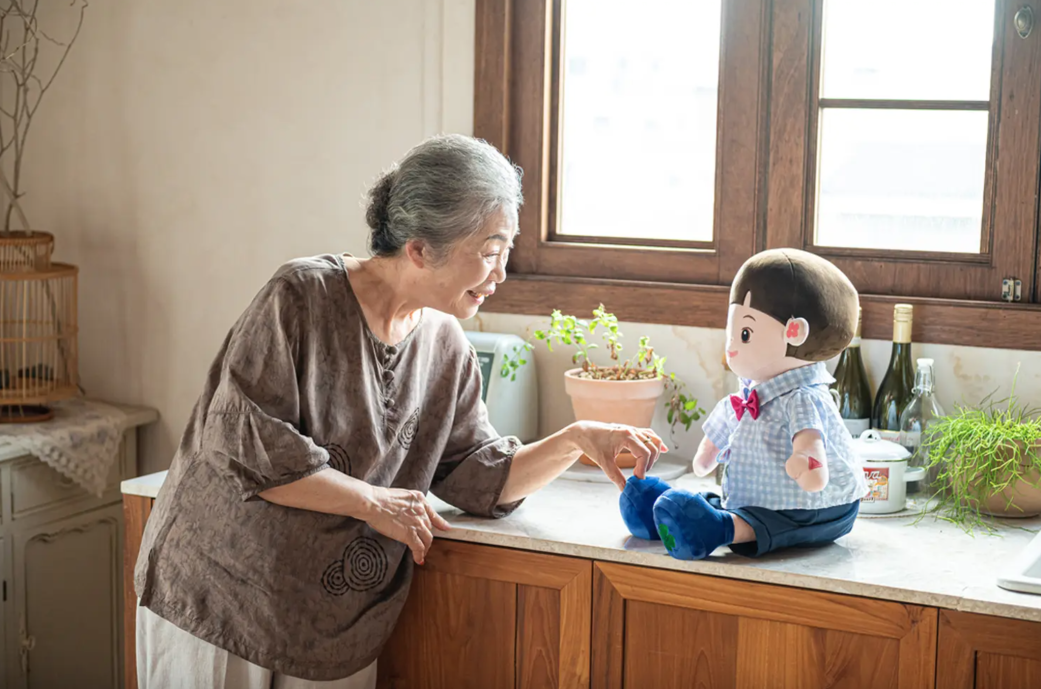
As we look further into the decade, the challenges of an aging population in Korea will require even more creative solutions. We may see the introduction of caregiving robots or AI companions that provide social interaction for isolated seniors. However, the fundamental need for human compassion will remain. The agencies that succeed will be those that combine the efficiency of telehealth platforms in 2026 with the warmth of traditional care. The goal is to create a society where aging is not viewed as a burden but as a phase of life that is supported by a robust, tech enabled, and compassionate ecosystem.
Conclusion
The journey toward a sustainable care model in South Korea is ongoing. By embracing private home care providers and integrating advanced technology like remote patient monitoring services, the nation is building a framework that can withstand the demographic pressures of the future. Supporting both the elderly and their caregivers through robust family caregiving resources is the only way to ensure social stability. As the world watches how, South Korea handles its aging crisis, the lessons learned here will undoubtedly influence global elder care trends for years to come.
For a comprehensive guide on vetting private home care providers, visit FindCarez: https://findcarez.com/
 Perplexity
 Claude
 Grok
Grok